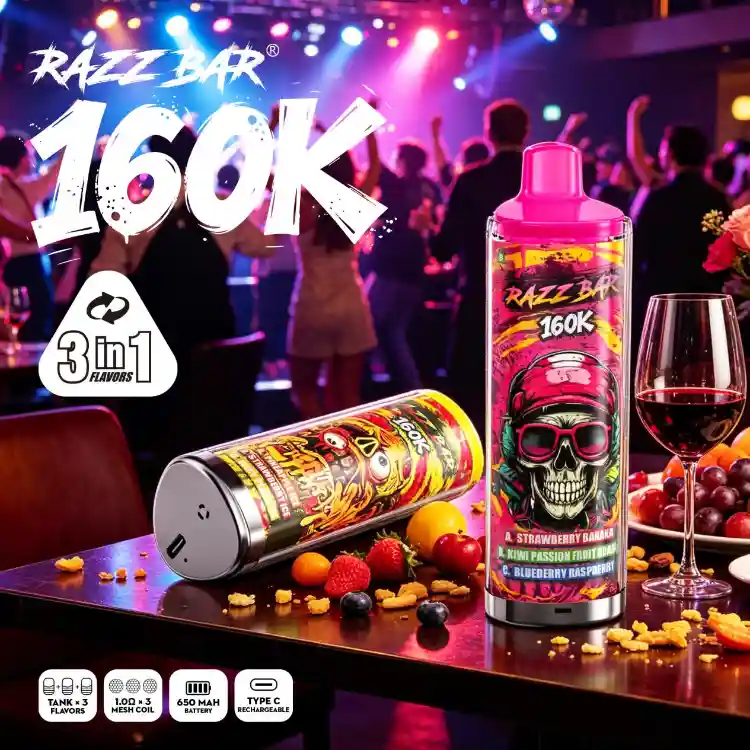
Among the capacity tiers compared here, RAZZ BAR 160K carries the highest advertised puff count. That answers the headline question, but it does not prove that every user will receive the most usable hits from that device. Real use changes with draw length, frequency, airflow, battery output, liquid delivery, and the point at which flavor or vapor no longer meets the user’s acceptance standard.
A more useful comparison separates advertised capacity from usable performance. The RAZZ BAR product range includes different high-puff tiers, and 60K, 100K, and 160K models can be compared more fairly when model details, draw pattern, charging routine, and end-of-life criteria are recorded together.
What Counts as the Most Hits on a Disposable Vape?
The phrase “most hits” can refer to two different things: the largest advertised puff count or the largest number of acceptable draws under a repeatable test. Those are related, but they are not the same metric.
Advertised Puff Count Answers the Capacity Question
An advertised puff count is a capacity-positioning number. It may be established with a defined machine draw duration, interval, airflow condition, and cut-off rule. A person may draw shorter, longer, harder, or more frequently, so the printed number cannot be converted into a universal number of days.
This is why broader questions such as how long disposable vapes last need a different answer from “what disposable vape has the most hits?” Puff count describes a capacity tier; calendar life depends on actual use.
Usable Hits Answer the Buyer’s Real Question
Usable hits are draws that still meet an agreed acceptance standard. A practical standard can include normal activation, recognizable flavor, consistent vapor, no persistent burnt taste, and charging behavior that remains within the product instructions.
Counting weak or unpleasant final draws as successful hits may increase the reported total without giving a wholesaler meaningful information. For internal evaluation, consistency through the usable cycle matters more than forcing a sample toward a larger number.
How to Verify Usable Hits With a Repeatable Sample Test
Use the same procedure for every model. The purpose is not to recreate a supplier laboratory method. It is to compare samples under one clearly stated routine that another buyer could repeat.
Stage 1: Record the Starting Condition
Record the exact model, advertised capacity, production or batch reference, flavor, nicotine statement where applicable, battery type, charging port, and test date. Photograph the carton and device before use. Rechargeable models should be charged only with the setup named in the current instructions.
Take a small set of moderate draws and record activation, vapor consistency, flavor clarity, airflow, and unusual warmth. This creates a baseline so later changes are not confused with the starting condition.
Stage 2: Check Mid-Cycle Stability
Continue with a consistent draw pattern. Keep approximate draw duration and interval similar across samples and record when charging is required. At the middle checkpoint, compare flavor, vapor, airflow, body temperature, and charging behavior with the baseline.
When evaluating long-use products, the RAZZ BAR laboratory information is useful background for understanding mesh and liquid-delivery design, but the sample still needs to be checked under the buyer’s own repeatable routine.
Stage 3: Define a Consistent End Point
Stop counting when the device repeatedly fails the agreed acceptance standard. Examples include persistent burnt flavor after a normal rest, a draw that stays weak after an approved recharge, liquid delivery that no longer supports a normal draw, or a battery fault that makes continued use unsafe.
Record the reason for stopping. A device that still produces a small amount of vapor is not automatically delivering a usable hit. The end point should be based on performance and safety, not on a desire to reach a larger total.
How Do 60K, 100K, and 160K Compare?
The three labels describe different intended capacity tiers, not guaranteed results. Each should be tested under the same draw and acceptance conditions before making a wholesale comparison.
RAZZ BAR 60K: The Lower Tier in This Comparison
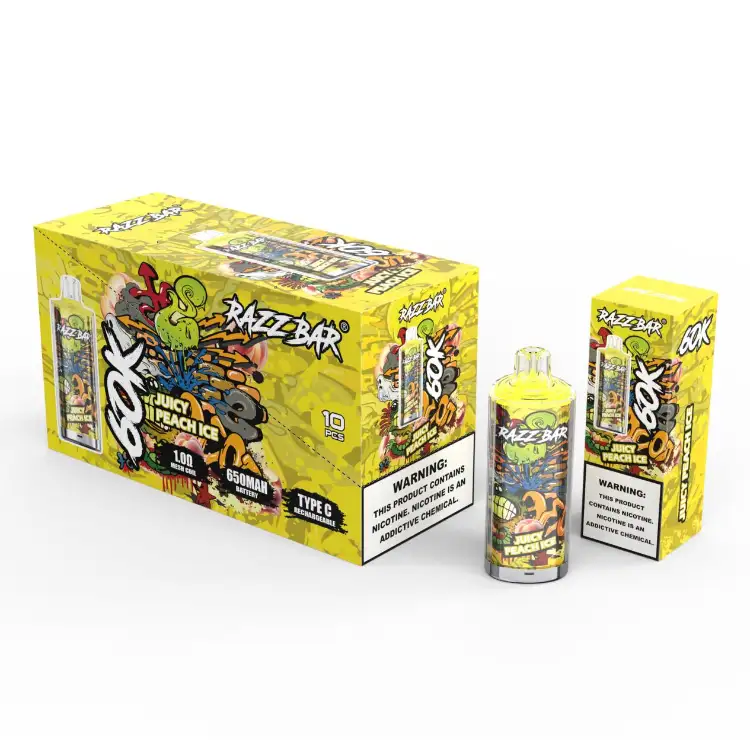
RAZZ BAR 60K is the lower capacity tier among the three models discussed here. It can fit buyers who want a high-puff product without moving immediately to the largest capacity position. The sample test should focus on consistency through the expected cycle and whether charging and storage instructions remain easy to follow.
RAZZ BAR 100K: A Higher-Capacity Middle Tier
RAZZ BAR 100K sits between 60K and 160K in advertised capacity. Its rechargeable Type-C configuration means the sample record should include charge interruptions as well as flavor and vapor. A large puff claim becomes less useful if the charging port, indicator, or battery behavior is inconsistent.
For a direct capacity comparison, the existing 100K vs 60K disposable vape guide provides additional context on how the two tiers are positioned.
RAZZ BAR 160K: The Highest Advertised Puff Position
Among these three tiers, 160K carries the highest advertised number and is the logical first candidate when a buyer asks for the most claimed hits. That still does not remove the need to verify liquid delivery, airflow, charging behavior, and flavor stability under the same test method.
How Should You Calculate a Usable-Hit Ratio?
Usable-hit ratio = accepted draws before the defined end point / advertised puff count
Use the Ratio for Internal Comparison
The ratio can help compare samples that use the same test method. It is not a universal specification and should not be presented as a guaranteed product-page result. Draw pattern, sample size, flavor, temperature, charging behavior, and acceptance rules all affect the outcome.
Keep the Test Method Beside the Result
Test several units from the same production version before drawing a conclusion. Keep the draw routine, charging method, sample quantity, and end-point rule beside the result so another team member can repeat the comparison. This makes the number useful for purchasing rather than turning it into an unsupported marketing claim.
What Commonly Reduces Usable Hits?
Draw Pattern and Frequency Change Consumption
Long draws consume more e-liquid and battery energy per activation. Frequent use moves the device through charging, liquid, and flavor checkpoints more quickly. Comparing calendar days without comparing draw style can therefore be misleading.
Airflow, Battery, and Liquid Delivery Can Finish at Different Times
Restricted airflow may encourage harder or longer pulls. Recharging restores electrical power, not e-liquid. A device can still show battery power while the liquid path no longer supports a normal draw, or it can contain liquid while the cell or protection system no longer supports safe heating.
Flavor Decline Changes the Practical End Point
A customer may stop using a device because the flavor becomes unpleasant before every nominal draw has been consumed. For a wholesaler, that is part of the usable-life question rather than a measurement error. Flavor consistency should therefore be recorded alongside puff and charging observations.
How Should Wholesalers Report the Result?
Separate Measured Observations From Advertised Capacity
Keep the model name, capacity tier, sample date, draw method, charging method, flavor, and end-of-life rule in the test record. A useful note is “160K advertised capacity; sample stopped meeting the stated flavor and vapor standard at the recorded checkpoint” rather than converting one sample into a guaranteed number of days.
Use Current Product Information and Verification
Before a wholesale order, compare the current product page, carton, sample, and order documents. The RAZZ BAR product verification page can also be used as part of the authenticity-check process for supported products.
Product pages should show current capacity, charging method, flavor list, nicotine information where required, and relevant warnings. They should explain that draw length, usage frequency, airflow, storage, and charging affect real use rather than turning a capacity number into a calendar promise.
Conclusion
What disposable vape has the most hits? Among the 60K, 100K, and 160K tiers discussed here, 160K has the highest advertised puff count. The more useful wholesale question is whether that capacity remains usable under a stated test. A repeatable sample method, a defined end point, and clear reporting allow buyers to compare the three tiers without overpromising.
FAQ
What Vape Has the Most Hits?
Among the 60K, 100K, and 160K tiers discussed here, 160K has the highest advertised puff count. The highest usable result still depends on draw conditions, hardware consistency, flavor acceptance, charging behavior, and the end-point definition.
Does a Higher Puff Count Mean the Device Lasts Longer?
It indicates a higher intended capacity, but it does not guarantee more days for every user. Long draws, frequent use, restricted airflow, heat, charging behavior, and early flavor decline can reduce practical duration.
Can a 100K Device Deliver More Usable Hits Than a 160K Device?
It can in a specific sample comparison if the 100K device stays within the acceptance standard while the 160K sample develops liquid-delivery, charging, or flavor problems earlier. The same draw pattern and end-point rule must be used before making that judgment.
How Should a Wholesaler Check a Puff Claim?
Request the current test basis, then sample several units from the quoted production version. Record first-use, mid-cycle, charging, and end-of-life observations. Keep the internal usable-hit ratio separate from the public product specification.