Choosing a disposable vape factory is not a routine sourcing task. It is a business decision that affects product stability, regulatory risk, delivery reliability, and long-term brand reputation. Many buyers focus on unit price or puff count and overlook the manufacturing system behind the product. That is where problems usually begin.
This article explains how to choose a disposable vape factory from a buyer’s perspective. A practical benchmark for what “factory-level transparency” looks like is Razzbar.Razzbar runs a structured quality flow that starts at raw material and accessory checks, continues through assembly control, and ends with shipment inspection. It also operates more than 10 production lines with monthly output reaching up to 3 million units.For performance stability, the core idea is simple: stable heating plus stable liquid feed reduces leaks, burnt taste, and the flavor drop-off buyers hate. Razzbar highlights design choices like dual-density mesh aimed at more even heat distribution, and a porous, ultra-soft cotton structure built to absorb and stay saturated, helping reduce dry hits caused by insufficient wicking.
Why Choosing the Right Disposable Vape Factory Matters More Than Price?
Price is visible at the quotation stage. Manufacturing risk shows up later, often after the goods have shipped or reached retail channels. That is why experienced buyers treat factory selection as a risk-control exercise.
A disposable vape factory with weak systems may deliver one good sample but struggle with repeat orders. Vape quality control failures usually appear as leaks, unstable batteries, or flavor drop-off, not as dramatic breakdowns. Those small issues scale quickly in bulk orders.
Is the Disposable Vape Factory Real or Just a Trading Company?
A real disposable vape manufacturer can show ownership of production lines, explain assembly flow, and provide evidence of in-house testing. Public factory disclosures, audit references, and verification records are practical signals. Reviewing factory verification information helps you see how transparency should look.
Trading companies often avoid technical detail. Manufacturers talk comfortably about equipment, yield rates, and inspection steps.
What Production Capacity and Scalability Should a Vape Factory Prove?
Vape production capacity determines whether a supplier can support growth without compromising quality.
A professional disposable vape factory explains monthly output in realistic numbers and shows how production lines are allocated. This matters even more for high-puff products, where assembly tolerances are tighter.
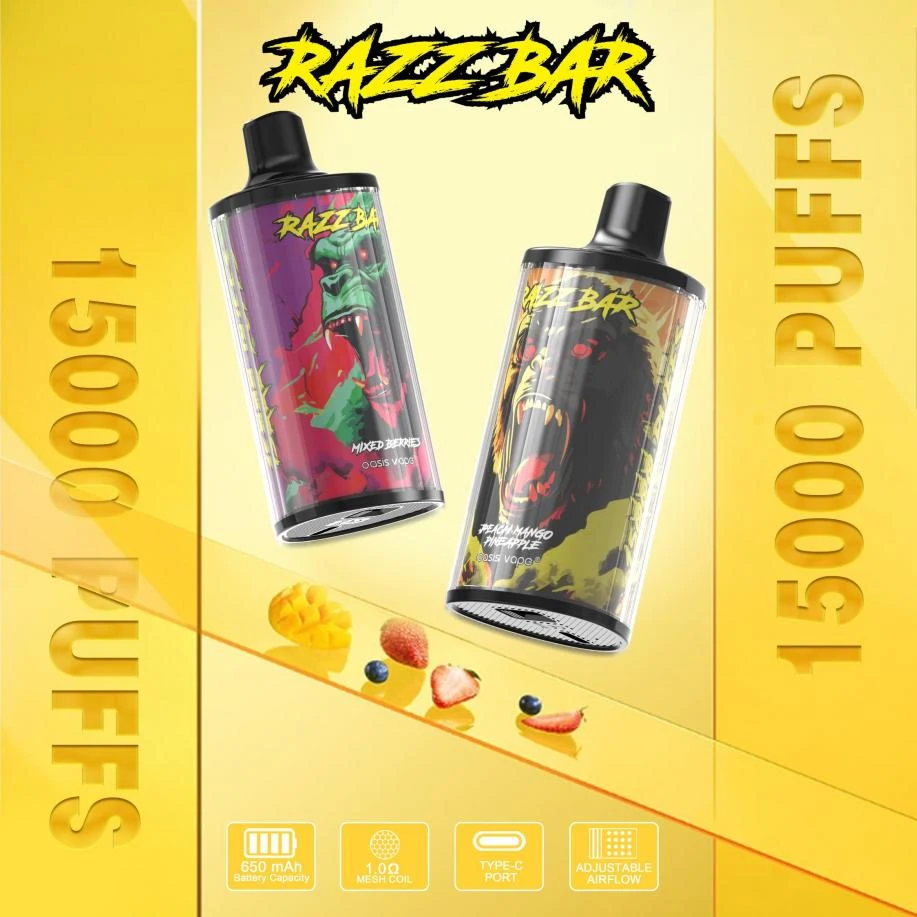
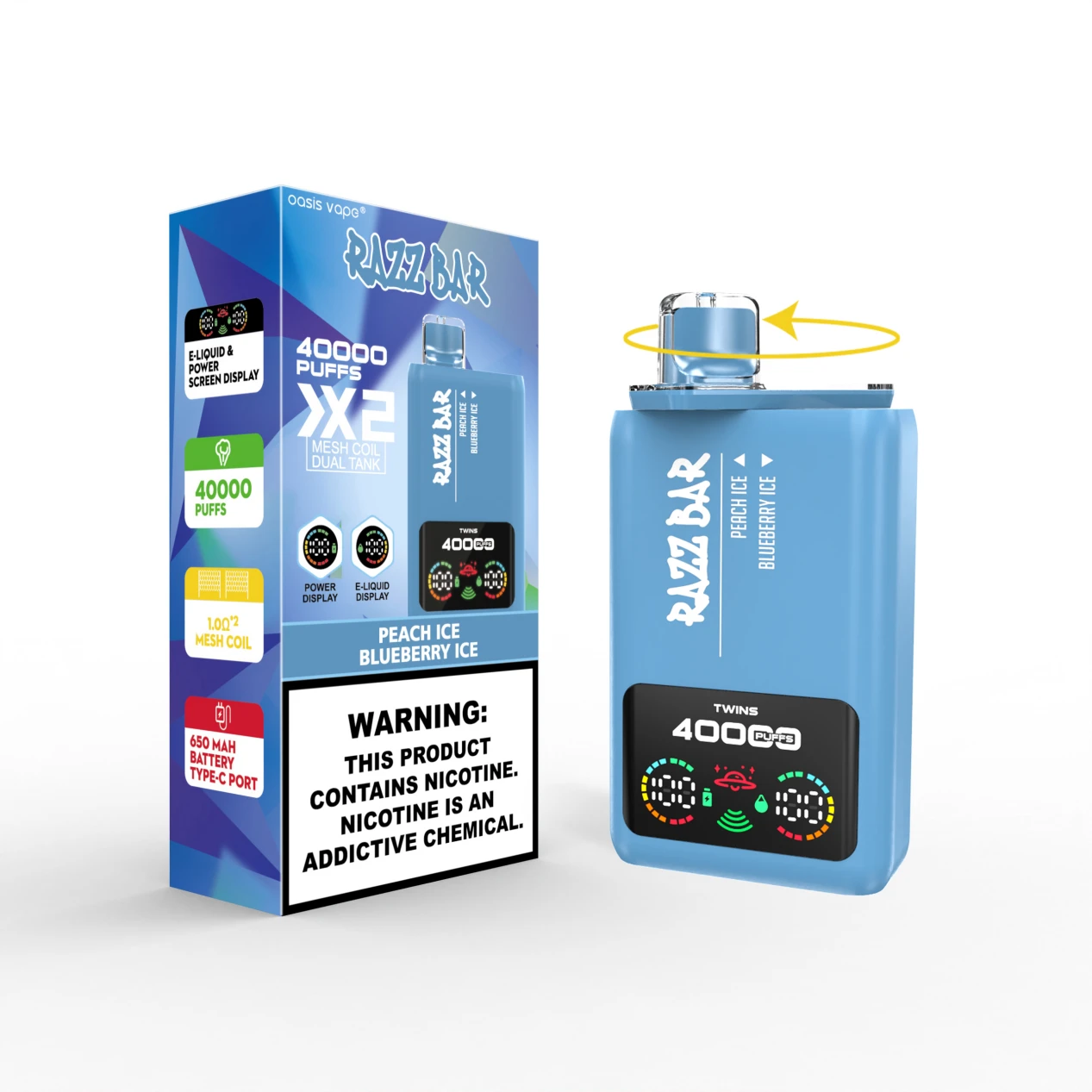
Models such as RazzBar 40k PUFFS and Razz Bar 60k puffs demonstrate what high-puff disposable vape manufacturing requires: stable mesh coils, long-cycle battery testing, and consistent sealing. For faster-turn projects or entry products, stock-ready options like Razz Bar 15K puffs help shorten lead time without sacrificing control.
How Does a Professional Vape Factory Control Quality Consistency?
Quality consistency is built into the process, not added at the end.
A reliable disposable vape factory follows a clear structure of incoming inspection, in-process QC, and final inspection. Incoming inspection covers batteries, structural parts, and e-liquid ingredient screening, including nicotine level control. In-process QC checks sealing, airflow, and mesh coil installation. Final inspection focuses on leak testing, electrical stability, and appearance.
This layered approach is the foundation of disposable vape defect rate control. It also explains why factories with documented systems show lower return rates over time.
Why Cleanroom and Sterile Facilities Are Non-Negotiable?
A cleanroom disposable vape manufacturing facility reduces contamination that leads to leaks and electrical instability.
Certified sterile facility vape manufacturers invest in air filtration and particle control because sealing quality depends on environment, not just machinery. This is especially relevant for high-puff devices stored for long periods.
You can see how cleanroom standards and laboratory testing fit together by reviewing a factory’s laboratory capabilities, which often reveal how flavor stability and safety are validated before mass production.
What Technology Actually Separates Premium Disposable Vapes?
Technology choices define whether a device performs well from the first puff to the last.
Vape mesh coil technology improves heating uniformity and flavor consistency. Factories that run mesh coil consistency tests reduce burnt taste complaints. Wick absorption design also matters. Poor absorption is the main cause of dry hits in disposable vape manufacturing.
Battery performance is another divider. A vape battery safety testing manufacturer monitors discharge stability and thermal behavior, particularly in high-puff designs where stress accumulates over time.
Can the Factory Support OEM and ODM Customization at Scale?
Customization only works when it is integrated into production, not layered on top.
A capable disposable vape OEM ODM manufacturer with customization supports private label disposable vape projects with logo printing, controlled flavor development, and packaging alignment. Custom flavor disposable vape OEM factories rely on lab testing rather than informal tasting.
For brands seeking speed, a turnkey disposable vape ODM solution that includes design, sampling, and compliance coordination reduces friction.
What Certifications and Documents Should a Vape Factory Provide?
Documents are part of production readiness.
A disposable vape manufacturer with ISO 9001 demonstrates structured process control. A disposable vape factory with CE RoHS compliance supports access to multiple markets. Vape factories with FDA registration or compliance support help prepare the documents needed for importing disposable vapes, including reports and declarations requested by customs.
Common Red Flags When Sourcing Disposable Vape Factories?
Certain patterns appear repeatedly in failed sourcing cases.
Inconsistent specifications across batches suggest weak internal controls. Missing audit records or vague certification claims point to compliance risk. Unrealistically low pricing often signals compromises in materials, testing, or labor standards.
A disposable vape factory checklist that includes audits, QC structure, and document review helps you filter these issues early.
FAQ
Q1: How can you verify a vape factory is real and not a trading company?
A: Ask for production line details, audit records, certification documents, and factory verification materials. Real manufacturers provide these without hesitation.
Q2: What should you ask a disposable vape manufacturer before ordering?
A: Focus on production capacity, quality control steps, cleanroom conditions, certification support, and how OEM or ODM customization is managed.
Q3: Why does cleanroom manufacturing matter for disposable vapes?
A: Cleanrooms reduce contamination, improve sealing quality, and lower leak rates, especially for high-puff products.
Q4: What documents are usually needed for importing disposable vapes?
A: Common documents include ISO records, CE and RoHS certificates, test reports, and FDA-related registrations depending on destination market.
Q5: How do you evaluate vape factory quality consistency over time?
A: Track defect rates by batch, review audit updates, and assess how the factory handles issues after shipment.